How to Care for Dental Implants: A Complete Guide from a Dentist in West Bloomfield
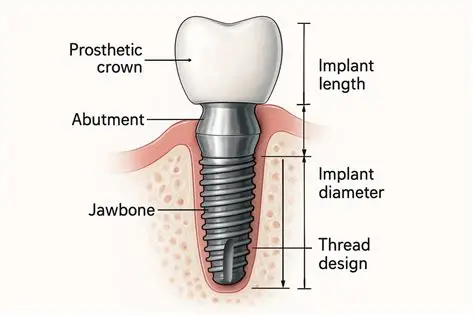
Dental implants are one of the most reliable, natural-looking, and long-lasting solutions for missing teeth. Whether you’ve recently received implants or are considering them, understanding how to care for them is essential. As a trusted dentist in West Bloomfield, we see many patients who want to protect their investment and keep their smile healthy for decades. The good news is that caring for dental implants is simple — as long as you follow the right habits.
This guide walks you through everything you need to know: daily care, foods to avoid, long-term maintenance, and warning signs to watch for.
Why Proper Implant Care Matters
Dental implants are designed to last 20 years or more, and many last a lifetime. They’re made of titanium and topped with a durable crown, so they don’t decay like natural teeth. However, the gum tissue and bone around the implant still require care.
Proper maintenance helps prevent:
- Peri-implantitis — a gum infection similar to gum disease
- Bone loss around the implant
- Implant loosening or failure
- Inflammation and discomfort
Even though implants are strong, the surrounding tissues are vulnerable. That’s why your daily habits matter.
Daily Care Routine for Dental Implants
Caring for implants is similar to caring for natural teeth — but with a few important differences.
1. Brush Twice a Day with a Soft-Bristle Toothbrush
A soft brush protects your gums and the implant surface. Electric toothbrushes are also safe and effective.
Make sure to brush:
- Around the implant crown
- Along the gumline
- Behind the implant
Avoid hard-bristle brushes, which can irritate the gums.
2. Use Implant-Safe Toothpaste
Some whitening toothpastes contain abrasive particles that can scratch the implant crown. Choose a low-abrasive toothpaste or one labeled “implant-safe.”
3. Floss Daily — Non-Negotiable
Food and plaque can easily get trapped around implants. Use:
- Traditional floss
- Implant-specific floss
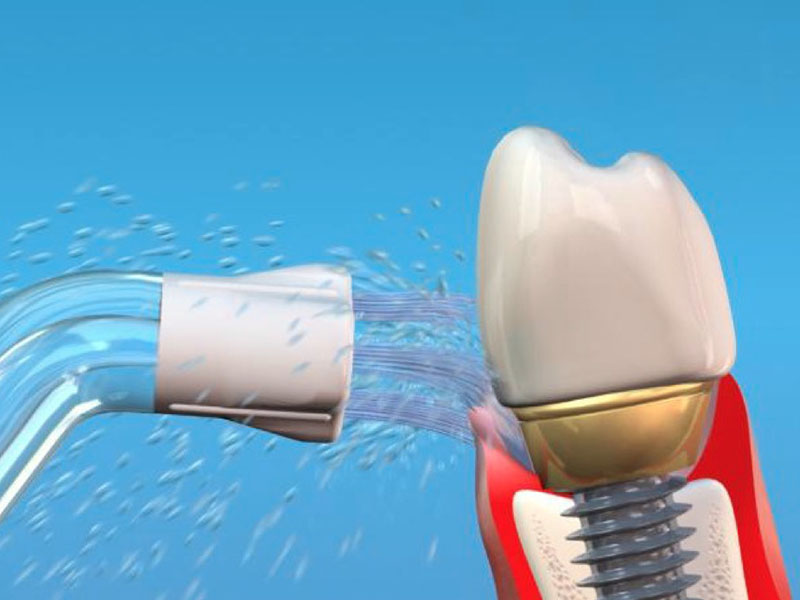
- A water flosser (excellent for deep cleaning)
Water flossers are especially helpful for patients with multiple implants.
4. Rinse with an Antibacterial Mouthwash
An alcohol-free mouthwash helps reduce bacteria without drying your mouth. Dry mouth increases the risk of infection, so alcohol-based rinses should be avoided.
Professional Care from your Dentist in West Bloomfield
Even with excellent home care, professional cleanings are essential.
How Often Should You Visit?
Most implant patients should see their dentist:
- Every 6 months for cleanings
- Every 3–4 months if they have a history of gum disease
During your visit, your dentist in West Bloomfield will:
- Check the implant stability
- Measure gum health
- Take X-rays to monitor bone levels
- Clean around the implant with special tools
These visits help catch early signs of inflammation before they become serious.
Foods to Avoid After Getting Dental Implants
Immediately after surgery, your dentist will recommend a soft-food diet. But even long-term, certain foods can put stress on your implants.
Avoid or Limit:
- Hard candies
- Ice
- Sticky caramel
- Very tough meats
- Popcorn kernels
- Hard nuts
These foods can crack the crown or irritate the gums.
Great Foods for Implant Health:
- Yogurt
- Eggs
- Soft fruits
- Cooked vegetables
- Lean proteins
- Whole grains
A balanced diet supports gum and bone health, which keeps your implant strong.
Habits to Avoid to Protect Your Dental Implants
Some habits can damage implants over time.
1. Smoking or Vaping
Nicotine reduces blood flow, slows healing, and increases the risk of implant failure.
2. Teeth Grinding
Grinding puts pressure on implants. A nightguard can protect your teeth while you sleep.
3. Using Teeth as Tools
Avoid opening packages or biting nails — this can crack the crown.
Signs Something May Be Wrong with Your Implant
Dental implants rarely fail, but early detection is key.
Contact your dentist in West Bloomfield if you notice:
- Red or swollen gums
- Bleeding around the implant
- Pain when chewing
- A loose-feeling implant
- Bad breath or a bad taste
- Gum recession around the implant
These symptoms may indicate peri-implantitis, which is treatable when caught early.
Long-Term Benefits of Proper Implant Care
When cared for correctly, dental implants offer:
- A natural-looking smile
- Strong chewing ability
- Improved confidence
- Protection against bone loss
- Long-lasting results
Many patients say implants feel so natural they forget they’re even there.
When to See a Dentist in West Bloomfield for Implant Care
If you’re unsure whether your implant is healthy, it’s always better to get it checked. Regular exams ensure your implant stays strong and stable for years to come.
A local dentist in West Bloomfield can provide:
- Professional cleanings
- Implant checkups
- Gum health evaluations
- Bite assessments
- Personalized care recommendations
Your smile is an investment — and protecting it is easier than you think.
Final Thoughts
Dental implants are one of the best ways to restore your smile, and with proper care, they can last a lifetime. By brushing, flossing, eating the right foods, and visiting your dentist in West Bloomfield regularly, you’ll keep your implant healthy and strong for decades.